


When it comes to maintaining your Ecosoft water filtration system, selecting the correct replacement filter is critical to ensuring consistent performance and water quality. This comprehensive guide will walk you through the essential steps and considerations for choosing the best replacement filter for your Ecosoft system.
This is a collaborative post.

Understanding Your Ecosoft Water Filtration System
Types of Ecosoft Systems
Ecosoft offers a wide range of water filtration systems tailored to different needs. Some of the most common systems include:
- Reverse Osmosis (RO) Systems: Designed for deep purification by removing up to 99.8% of contaminants.
- Water Softener Systems: Specifically engineered to reduce water hardness by removing calcium and magnesium ions.
- Carbon Filtration Systems: Ideal for improving taste and odour by eliminating chlorine and organic impurities.
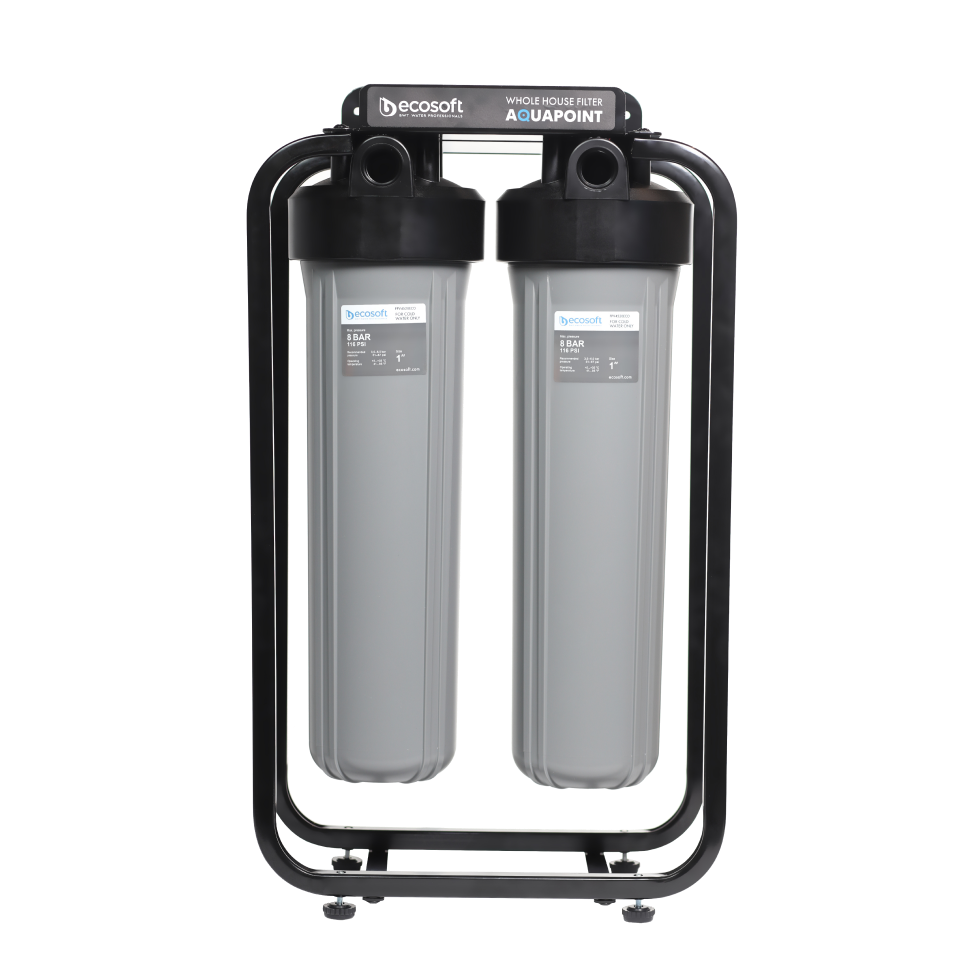
- Whole House Filters: Provide clean water to every outlet in your home by filtering sediment, chlorine, and other impurities.
Understanding the type of system you have is the first step in identifying the right replacement filter.


Key Factors to Consider When Choosing a Replacement Filter
1. Compatibility with Your Ecosoft System
Not all filters are universal. Ensure that the replacement filter is specifically designed for your Ecosoft model. Compatibility issues can lead to poor performance or damage to the system.
- Check the model number of your filtration system.
- Refer to the manufacturer’s recommendations or user manual.
- Look for filters that explicitly mention compatibility with your Ecosoft system.
2. Filtration Requirements
Different systems and households have varying filtration needs. Consider the following factors:
- Water Quality: Test your water to determine the contaminants you need to target, such as heavy metals, sediments, or bacteria.
- Filter Type: Choose filters designed to address specific contaminants (e.g., carbon filters for chlorine, RO membranes for salts and heavy metals).
- Capacity: Select a filter with the right capacity based on your household’s water consumption.
3. Certification and Standards
Always choose filters that meet industry standards. Look for certifications such as:
- NSF/ANSI Certification: Ensures the filter has been tested for safety and performance.
- ISO Standards: Indicates quality manufacturing processes.
Filters without proper certifications may compromise water quality.
4. Lifespan and Replacement Frequency
Understanding the lifespan of your replacement filter helps ensure timely replacements. Some common filter lifespans include:
- Sediment Filters: 3-6 months.
- Carbon Filters: 6-12 months.
- RO Membranes: 2-3 years.
Adhering to the recommended replacement schedule prevents clogged filters and maintains optimal water flow.
5. Cost and Value
While cost is an important factor, prioritize value over price. High-quality filters may have a higher upfront cost but provide better performance and longevity.

Types of Ecosoft Replacement Filters
1. Reverse Osmosis Filters
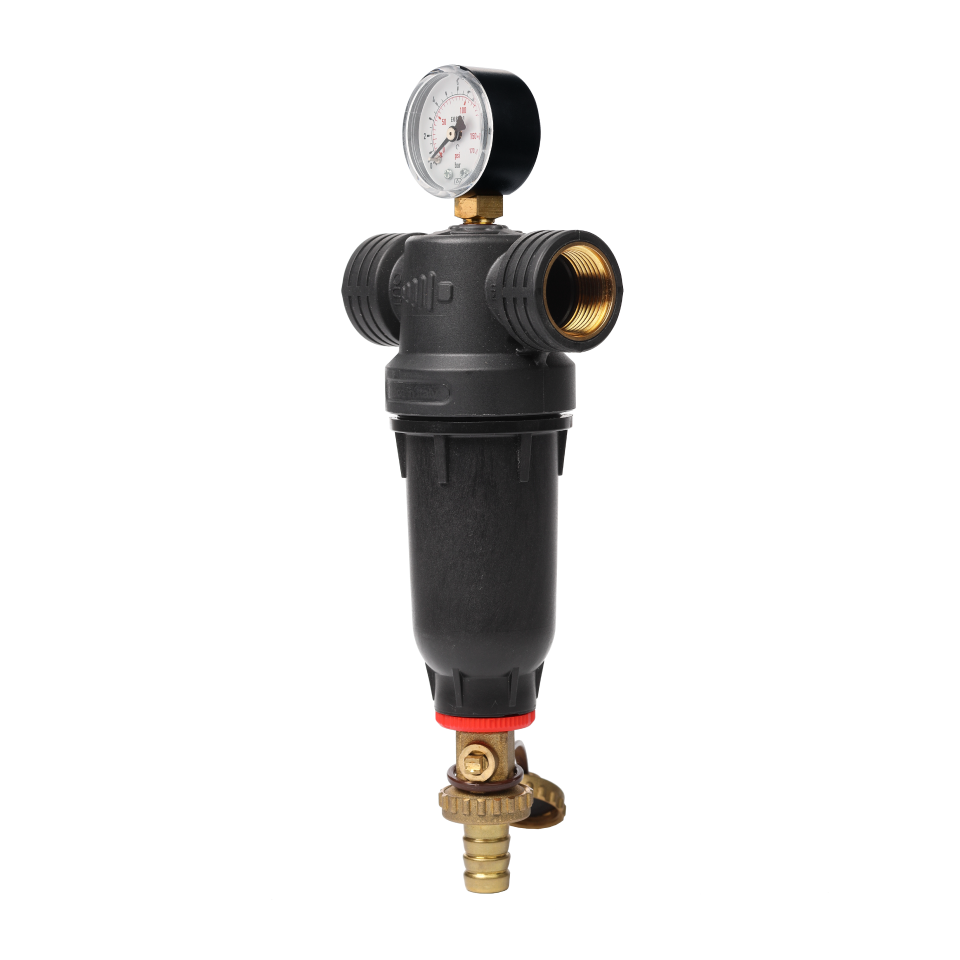
- Sediment Pre-Filters: Remove large particles like sand, silt, and rust.
- Carbon Block Filters: Reduce chlorine, VOCs, and improve water taste.
- RO Membranes: Remove dissolved solids, heavy metals, and other contaminants.
- Post-Filters: Final polishing to ensure optimal taste and purity.
2. Water Softener Resin Filters
- Designed to regenerate and remove hardness minerals.
- Require periodic replacement depending on water hardness and usage.
3. Carbon Cartridges
- Ideal for improving taste and odour.
- Available in granular or block forms depending on specific needs.
4. Whole House Filters
- Include sediment and activated carbon filters.
- Often have larger capacities for handling high water volumes.

How to Replace Your Ecosoft Filter
Step-by-Step Guide
- Turn Off the Water Supply: Ensure no water flows through the system during replacement.
- Relieve Pressure: Open a faucet to release built-up pressure in the system.
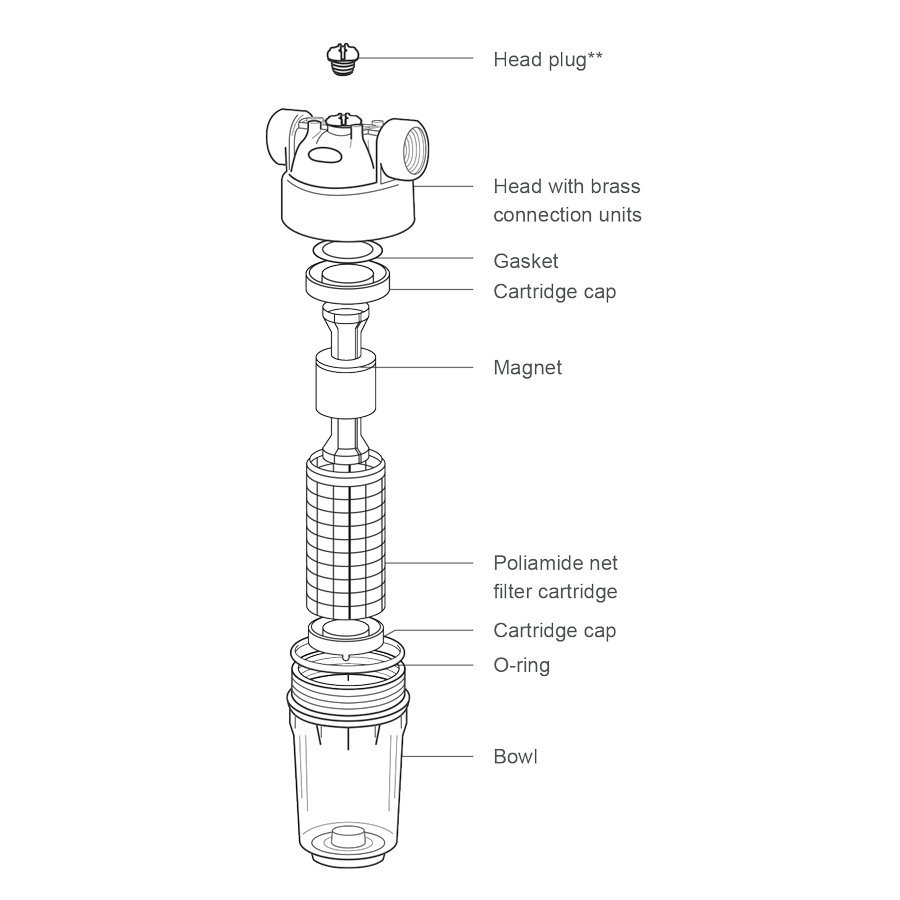
- Remove the Old Filter: Use the provided wrench or tool to unscrew the filter housing.
- Inspect and Clean: Check for wear and clean the housing before installing the new filter.
- Install the New Filter: Insert the replacement filter, ensuring it aligns correctly.
- Reassemble and Test: Secure the housing, restore the water supply, and check for leaks.
Tips for Maintenance
- Always sanitize the filter housing during replacements.
- Keep track of replacement dates to maintain a consistent schedule.
- Store extra filters in a dry, cool place to ensure longevity.
Common Mistakes to Avoid
- Using Non-Compatible Filters: This can damage your system or result in subpar water quality.
- Delaying Replacements: Overused filters can lead to clogging and contamination.
- Ignoring Certifications: Uncertified filters may not provide adequate protection against contaminants.
- Improper Installation: Ensure filters are installed correctly to avoid leaks and inefficiencies.
Why Choose Genuine Ecosoft Replacement Filters?
Using genuine Ecosoft filters ensures:
- Optimal Performance: Designed to meet the system’s specifications.
- Long-Term Savings: High-quality filters reduce the need for frequent replacements.
- Peace of Mind: Certified and rigorously tested for safety and efficiency.
Counterfeit or generic filters may seem economical but can compromise the integrity of your water filtration system.
FAQs About Ecosoft Replacement Filters
1. How do I know when to replace my filter?
Look for signs such as reduced water flow, changes in taste or odour, and the recommended timeline from the manufacturer.
2. Can I use third-party filters with my Ecosoft system?
While some third-party filters may fit, using genuine Ecosoft filters is strongly recommended for optimal performance and warranty protection.
3. What is the cost of Ecosoft replacement filters?
The cost varies depending on the filter type and system. Investing in high-quality filters ensures better water quality and durability.
4. Are Ecosoft filters environmentally friendly?
Yes, Ecosoft emphasizes eco-friendly solutions, including recyclable filter materials.